Concurrency Issues and Solutions
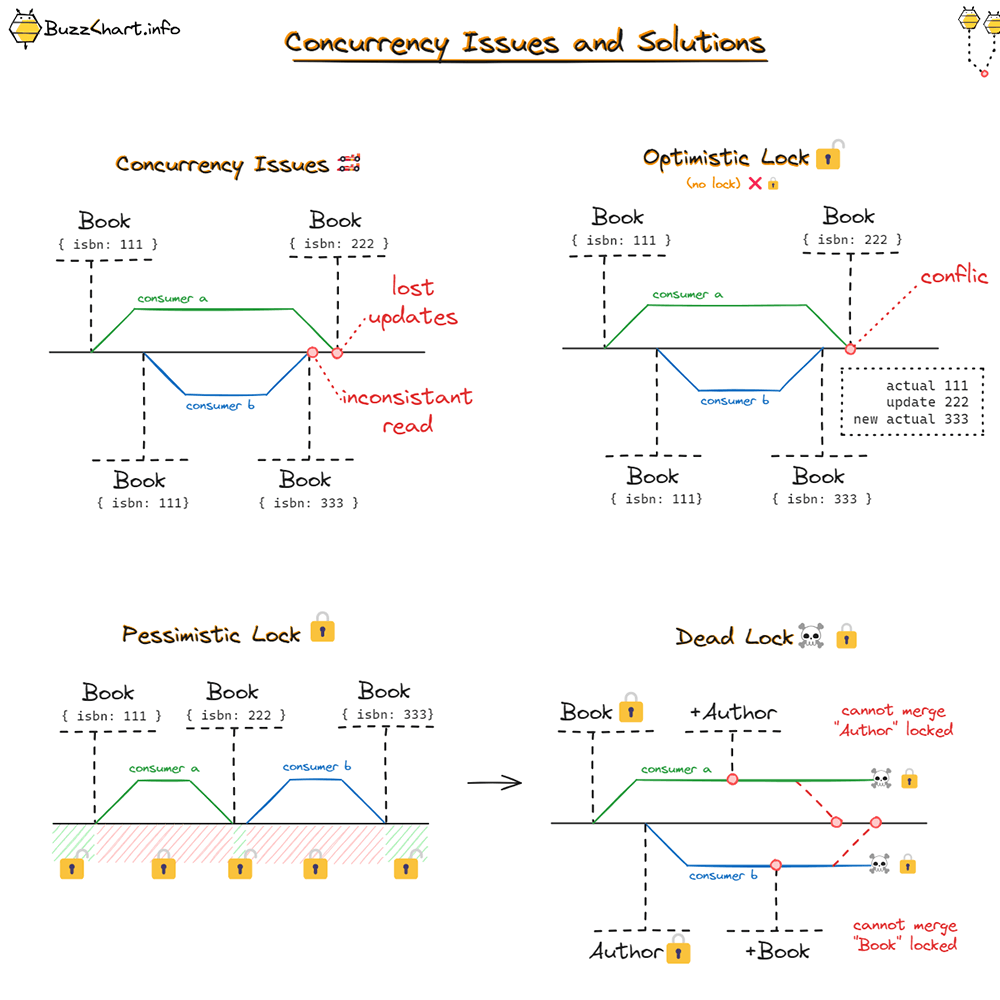
🔓Optimistic Lock concurrency control mechanism, which allows to write data simultaneously from the different transactions. It is called optimistic, because the assumption is that the collisions (conflict) will not be frequent.
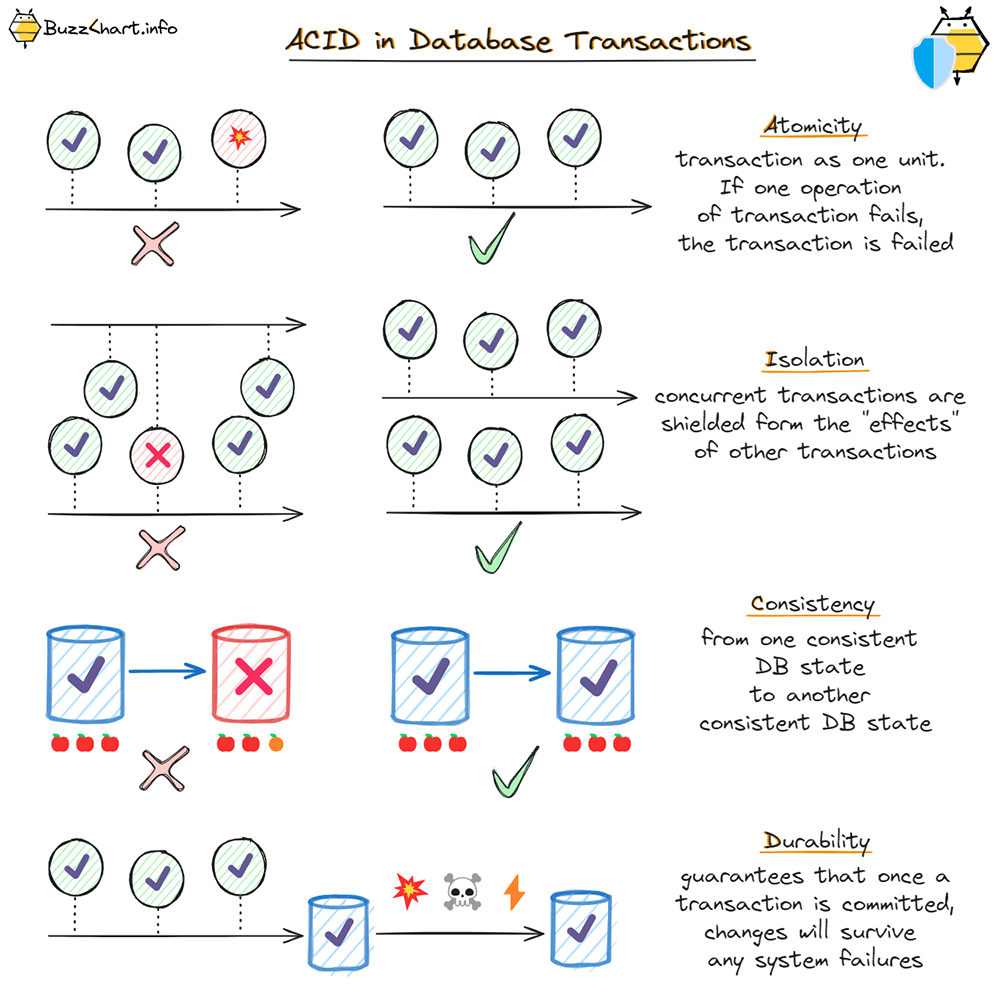
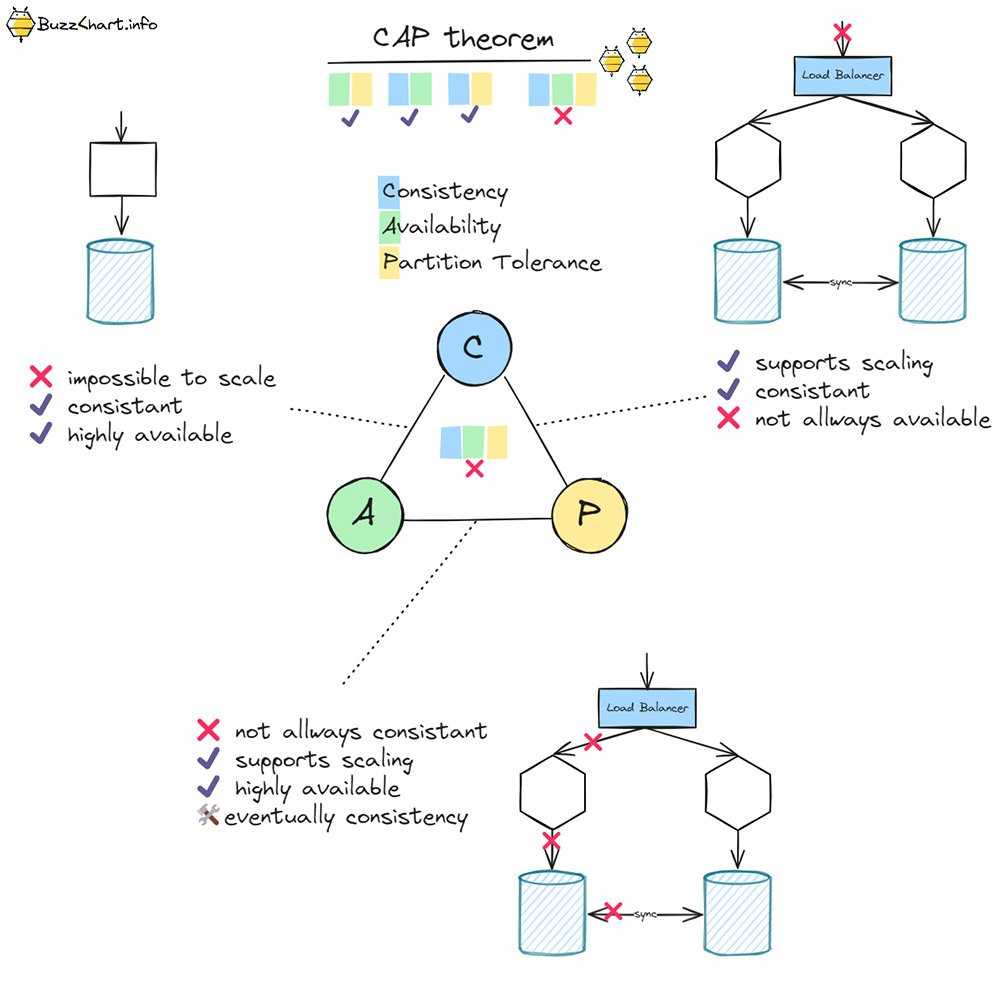
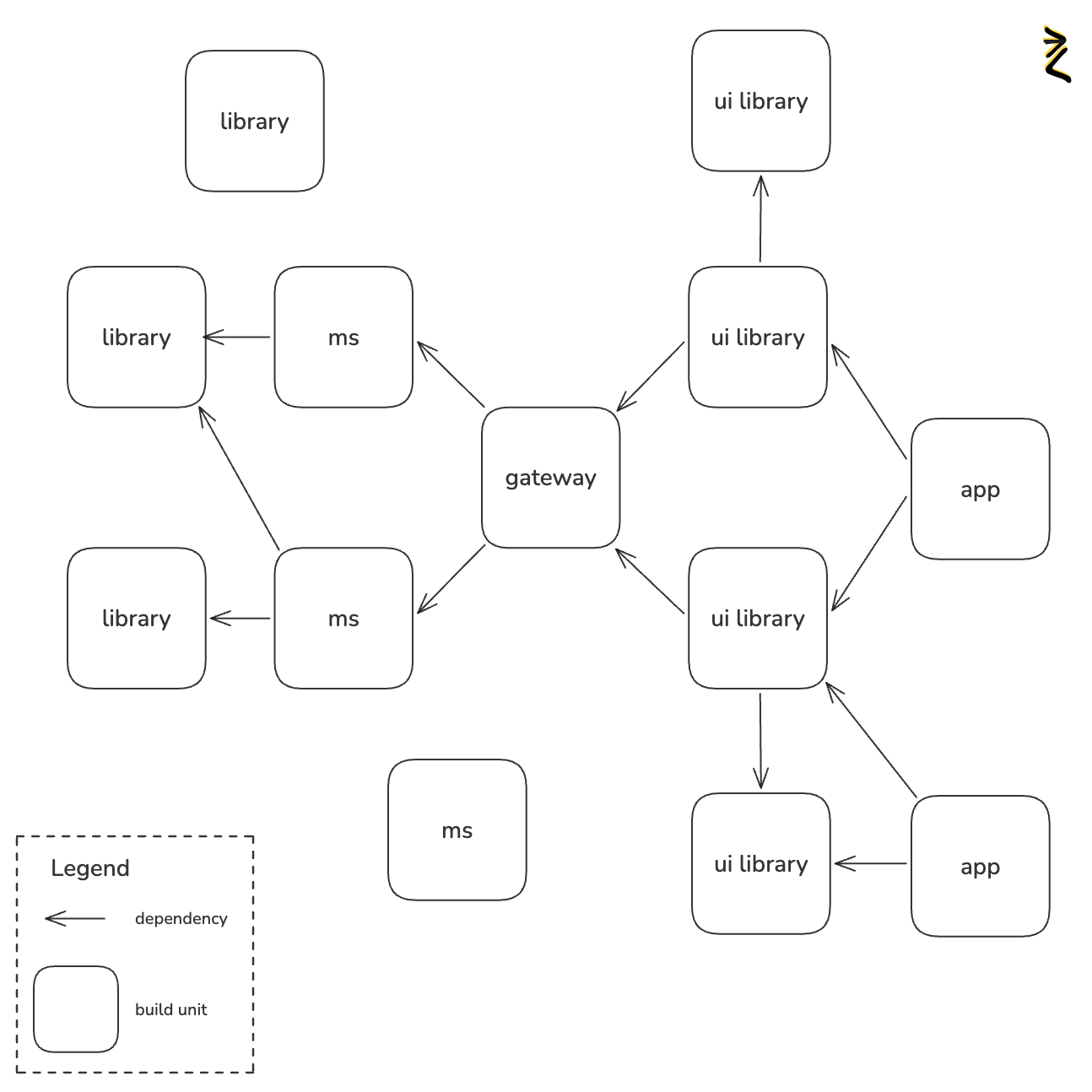
Related concepts: ACID in Database Transactions , CAP theorem , Continuous Integration Pipeline for 100+ Git Repositories , Building a Lithuanian Law Assistant with LLM and RAG (part 2) .
Concurrency is a complex problem of the IT field. I'll try to explain some issues related to the concurrency and how to solve those issues.
Concurrency Issues:
🍎🍊 inconsistent reads - when the data is modified by a different actors. Depending on when you transaction starts reading the data and how log this transaction spans, you can get (read) different values.
💥🍎 lost updates - when 2 transactions are spanned different time and modifying the same entity. Last ended transaction will override first transaction result.
Solutions: Optimistic Lock:
🔓Optimistic Lock - concurrency control mechanism, which allows to write data simultaneously from the different transactions. It is called optimistic, because the assumption is that the collisions (conflict) will not be frequent.
✔️ better performance duo to improved concurrency in the system
❌ need to handle the collisions (conflicts)
Solutions: Pessimistic Lock:
🔒Pessimistic Lock - concurrency control mechanism, which locks the resources, processed by a transaction.
✔️ improves application durability and data constancy
❌ degrades the application performance and availability
❌ can create a Dead Lock
Avoiding Deadlocks:
☠️🔒 Is a situation, when locks are applied on resources, which are required in other transactions. If you have 2 transactions:
acquires lock on a "Book" entity and later want to acquire lock on "Author" entity
acquires lock on a "Author" entity and later want to acquire lock on "Book" entity In order to finish one transaction you need to acquire lock, on a resource, which is locked by other transaction. When none of transactions cannot be completed, this situation is called a Dead Lock.
Patterns of Enterprise Application Architecture: Martin Fowler, with Dave Rice, Matthew Foemmel, Edward Hieatt, Robert Mee, and Randy Stafford
Note: The content in this article is a summary/interpretation inspired by them. Proper attribution is given to the respective authors.